

- ホーム
- How should I store the matcha after opening? / 開封後の正しい保管方法は?

How should I store the matcha powder?
Hello from Maru Take Ebisu in Japan!
Have you noticed how extreme the summers have become lately? In Japan, the scorching heat has become a regular occurrence, and I have to tell you:this heat is the #1 enemy of your Matcha.
In the past, people said, "If it's unopened, storing it in a cool, dark place at room temperature is fine." But with today’s rising temperatures, that is no longer safe. Even inside an unopened tin, Matcha slowly deteriorates if left in a room over 30°C (86°F). You might open it only to find the vibrant green has turned a dull, disappointing color.
Even in winter, is your Matcha sitting near a stove or in a heated room above 20°C (68°F)? Today, I’ll share the "Pro-Recommended Modern Storage Manual" adapted to our changing climate.
 The Verdict: The Fridge is the Only Place for Your Matcha
As a general rule whether opened or unopened keep your Matcha in the refrigerator. Matcha is incredibly sensitive to light, heat, and humidity. "Heat" is particularly damaging. The refrigerator, which maintains a constant temperature (below 10°C / 50°F), is the safest sanctuary for your tea.
What about the Freezer?
If you have "Cooking/Culinary Grade" Matcha or a bulk stock you won't use for months, the freezer is a great option! It slows down oxidation even further. However, for delicate, high-end "Ceremonial" Matcha, the freezer can sometimes cause dryness or pick up food odors. For home use, the vegetable drawer of your fridge is the sweet spot.
Beware of the "Condensation" Trap!
Before you rush to the fridge, there is one golden rule you must never break:Never open the lid immediately after taking it out of the fridge.
Just like eyeglasses fog up when you enter a warm room, water droplets (condensation) will instantly form on the cold tin. If this happens inside the tin, the Matcha absorbs the moisture, clumps up, oxidizes, and the aroma dies...
In Uji, master tea blenders store the raw tea leaves (Tencha) in massive, temperature-controlled refrigeration units. They only grind the leaves into powder using stone mills right before an order is shipped. Even the grinding rooms are strictly temperature-regulated to prevent heat damage.
The Pro's "Defrosting Routine"
When you're ready to use your Matcha, follow these steps:
-
Take it out of the fridge.
-
[CRITICAL] Wait. Do not open the lid. Let it sit at room temperature.
- Summer: 10〜20 minutes.
- Winter: About 30 minutes.
- Wait until the tin no longer feels cold to the touch.
-
Open, use what you need, and close it immediately.
-
Put it back in the fridge.
If you can master this "waiting time," refrigerated storage is the best way to keep your tea fresh.
The "Pro Tip": Use Small Portions
If waiting every time is too much trouble, try the "Portioning Technique":
- Transfer about one week's worth of Matcha into a small tin. You can keep this in a cool spot in your kitchen at room temperature for quick use.
- Keep the rest of the main supply sealed tightly in the back of the fridge.
- Note: One bowl of Usucha or a Matcha Latte uses about 1.5g to 2g. If you drink one cup a day, move about 14g to your small tin.

Summary: Great Matcha Requires Temperature Control
- Modern summers (and heated kitchens) are too hot for Matcha.
- The Fridge is a must, even for unopened tins.
- The Freezer is for long-term storage or cooking grade.
- Always let it reach room temperature before opening.
At Maru Take Ebisu, we ship our Matcha in light-shielded, airtight tins or aluminum packs. You can simply re-seal them and pop them in the fridge!
One Last Thing: Choose Your Shop Wisely
Even if your storage at home is perfect, it means nothing if the shop’s storage was poor. Think of Matcha like fresh spinach or greens ? it's a leaf. Many giant online marketplaces store products in massive warehouses that get incredibly hot in the summer. Can quality be maintained in that environment? Likely not.
"But wait, doesn't Maru Take Ebisu sell on Amazon?" Yes, we do! However, we do not use Amazon’s warehouses.Every single order is shipped directly from our own temperature-controlled facility. We never let our tea sit in a hot, third-party warehouse.
We want you to enjoy the true, vibrant taste of Kyoto Matcha down to the very last scoop.
A Final Word to Matcha Lovers and Shop Owners
If there are matcha latte shops in your country, I truly pray that they store their matcha safely in the refrigerator after closing.
From my professional perspective, it is simply unthinkable to leave matcha sitting on a counter overnight in a shop where temperatures might exceed 30°C (86°F). If a shop manages their precious tea that way, their quality control is nonexistent. At ; Maru Take Ebisu , we consider such neglect a "sin" against the hard work of the tea masters in Uji.
Comparison Table: Find Your Perfect Authentic Matcha
To ensure you experience the true, vibrant flavor of Kyoto, we have selected three of our most popular authentic blends. Every tin is stored in our temperature-controlled facility and shipped directly to your door.
| Product | Best For | Flavor Profile | Price |
|---|---|---|---|
 Babamukashi / 祖母昔
Kanbayashi Shunsho
Babamukashi / 祖母昔
Kanbayashi Shunsho
|
Ultimate Koicha Thick Tea | Intense umami, buttery texture, zero bitterness. |
JPY3,132~
View
|
 Biwanoshiro / 琵琶の白
Kanbayashi Shunsho
Biwanoshiro / 琵琶の白
Kanbayashi Shunsho
|
Luxury Latte + Daily Usucha | Balanced sweetness and mild astringency. |
JPY1,296~
View
|
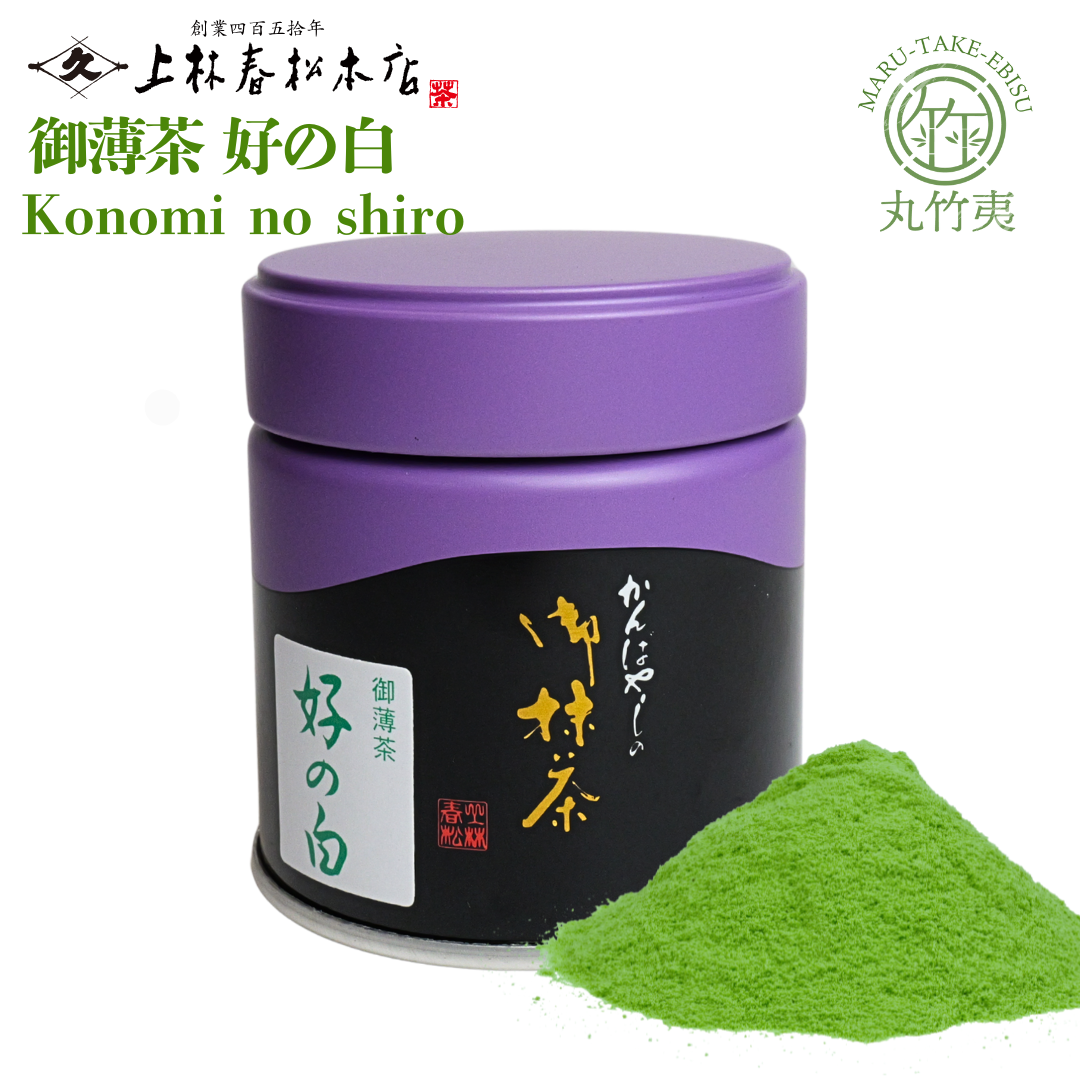 Konominoshiro / 好の白
Kanbayashi Shunsho
Konominoshiro / 好の白
Kanbayashi Shunsho
|
Premium Usucha Thin Tea | Vibrant green, rich aroma, clean finish. |
JPY1,836~
View
|
Our Freshness Promise
Unlike many mass-market retailers, we never use external heated warehouses. Every order is fulfilled directly by our staff in Japan to ensure the "Matcha life" remains vibrant until the moment it reaches you.
※This blog post has been translated into Japanese.
【プロの警告】未開封の抹茶、キッチンの棚に放置していませんか?
日本の暑さから香りを守る「鉄壁の保存術」Part.3
こんにちは、京都アンテナショップ丸竹夷です。
近年の日本の夏、異常な暑さですよね。
実はこの「日本の猛暑」が、抹茶にとって最大の敵だということをご存知ですか?
昔の常識では「未開封なら冷暗所(常温)でOK」と言われていましたが、今の日本の気温ではそれは危険です。
「30度を超える部屋に置いておくと、未開封の缶の中でもじわじわと劣化が進み、開けたときには「あれ?色が悪い…」なんてことも。
また、冬場だからと安心していてもその場所がキッチンのコンロの近くや暖房が当たって20度以上なんてことありませんか?
今日は、現代の気候に合わせた「プロ推奨の最新・保存マニュアル」をお伝えします。
結論:抹茶の定位置は「冷蔵庫」一択です
まず大前提として、開封・未開封にかかわらず、抹茶は基本的に「冷蔵庫」に入れてください。抹茶は光・熱・湿気に弱く、特に「熱」は大敵です。常に一定の温度(10℃以下)が保たれる冷蔵庫が、一番安全な避難場所です。
「冷凍庫」はどうなの?
お菓子作り用(加工用)の抹茶や、数ヶ月使わないストック用なら、「冷凍庫」でもOKです!より劣化を遅らせることができます。
繊細な茶道用の高級抹茶は、冷凍庫のニオイ移りや乾燥が気になる場合もあるので、冷蔵庫がベターです。ご家庭なら野菜室がおすすめです。
ここだけは気をつけて!「結露」という落とし穴
「よし、冷蔵庫に入れよう!」と思った方、ちょっと待ってください!
冷蔵保存には、たった一つだけ、絶対に破ってはいけないルールがあります。それは、「冷蔵庫から出して、すぐにフタを開けないこと」冷え冷えの缶を暖かい部屋に出すと、メガネが曇るように、一瞬で表面に「水滴(結露)」がつきます。これが缶の内側で起きると、抹茶が水分を吸ってダマになり、酸化が進み香りが死んでしまいます。。。
抹茶の原料である碾茶(てんちゃ)を保存する茶商や茶問屋では、巨大な冷蔵庫で春に摘み取った碾茶を保存し、その都度注文に合わせて石臼で挽くという工程を取っています。また、石臼を挽く場所も常に温度管理がされており、劣化を防ぐ工夫がなされているんです。
プロが実践「正しい解凍ルーティン」
冷蔵庫(または冷凍庫)から出した抹茶を使うときは、以下の手順を守ってください。
- 冷蔵庫から出す
- 【重要】フタを開けずに、そのまま常温で「待つ」
- ・夏場なら10分〜20分、冬場なら30分程度。
・缶を手で触って「冷たくない」と感じるまで我慢してください。 - フタを開けて、必要な分だけ使う
- すぐにフタを閉めて、また冷蔵庫へ
この「待つ時間」さえ守れば、冷蔵保存は最強です。
小分けにするのが賢いテクニック
「毎回待つのは面倒…」という方は、「小分け保存」がおすすめです。
- 「1週間で使い切る分」だけを小さな缶に移し替える。
- これはキッチンの涼しい場所(常温)に置いてOK。サッと使えて便利です。
- 残りの本体は、しっかり空気を抜いて冷蔵庫の奥へ。
- どうしても長期保存なら「冷凍庫」へ
「いただいたけど、しばらく使わない」という場合は冷凍庫へ入れてください。ただし、解凍するときは半日かけてじっくり常温に戻すのが必須条件です。
これなら、頻繁に冷蔵庫から出し入れしなくて済むので、温度変化によるダメージを最小限に抑えられます。
1週間分の量が分からないという方は、1回の薄茶や抹茶ラテの使用量が1.5gから2gなので1日1杯なら14gほどとなります。
まとめ:美味しい抹茶は「温度管理」で作られる
・日本の夏は暑すぎる。そして昔に比べてキッチンも暖かすぎる。
・未開封でも「冷蔵庫」がマスト!
・加工用や長期保存なら「冷凍庫」もアリ。
・使うときは必ず「常温に戻してから」開ける。
せっかくの美味しい抹茶、正しい保存方法で最後の一杯まで鮮やかな緑と香りを楽しんでくださいね。
丸竹夷では、遮光性と密閉性に優れた缶やアルミパックでお届けしていますので、そのままクリップで留めて冷蔵庫に入れるだけで安心ですよ!
あとは買う店を選ぶだけ
ここまでの保存方法をマスターすれば、いつでも美味しい抹茶を飲んでいただけます。
ただ、せっかくお家での保存方法が良くても購入先の抹茶の保管が良くないと台無しです。
例えば大手通販サイトなどでは巨大な倉庫で商品を保管しています。この倉庫、夏場の気温は何度になっているでしょう?私の考えとしては抹茶もほうれん草や水菜などスーパーで販売されている食品と同じです。もとは葉っぱですから。
その食品が高温の倉庫で保存されているなら品質は維持できていない可能性があります。
あなたの国に抹茶ラテの店があるなら、閉店後に抹茶を冷蔵庫でしっかりと保管していることを切に願います。
私たちプロの視点からすれば、気温が30度を超えるような日に、店のカウンターに抹茶を置いたまま閉店するなど、到底ありえないことです。
もしそのような管理をしている店があるとしたら、それは品質管理が行われていないも同然です。


