

- ホーム
- Is Organic Matcha Pesticide-Free? / オーガニックですか?

Is Organic Matcha Pesticide-Free? What Organic JAS Really Means
Many people choose organic matcha because they believe it is completely pesticide-free, safer or necessarily higher in quality.
The concern is understandable. Unlike brewed tea, matcha is made by consuming the entire tea leaf in powdered form. Customers naturally want to know how the tea was cultivated and what agricultural materials may have been used.
However, one important distinction is often overlooked:
Organic certification defines a system of cultivation, processing, inspection and record-keeping. It is valuable information, but it does not by itself determine safety, flavor or the overall quality of matcha.
Can pesticides be used under Organic JAS?
Yes, certain pesticides and agricultural materials may be permitted under Japan's Organic JAS standard.
Organic JAS is based on avoiding reliance on chemically synthesized fertilizers and pesticides. Producers are expected to prioritize cultivation practices and physical or biological methods of pest control.
When these measures alone are insufficient, certain substances permitted under the Organic JAS standard may be used under specified conditions.
This means that Organic JAS should not be interpreted as a guarantee that no pesticide of any kind has ever been used.
Organic standards vary between countries, but the same distinction is important everywhere:

Three different descriptions
1. Organic JAS certified
This means that the product and its production process have been certified according to Japan's Organic JAS standard.
It describes a regulated method of production. It does not automatically mean that the product is free from every type of pesticide or residue.
2. Grown without pesticides during the cultivation period
This describes the cultivation practice used for a particular crop.
A tea may be grown without pesticides during its cultivation period without being Organic JAS certified. Organic certification requires a separate system of standards, inspections and records.
For this reason, the absence of an organic label does not necessarily mean that pesticides were used.
3. Conventionally grown
Conventionally grown tea may use agricultural materials permitted under Japanese law and according to the producer's cultivation plan.
The word "conventional" alone does not tell us how often a material was used, how carefully the tea garden was managed, whether residues remain in the finished product or how the matcha tastes.
These questions require more information than a single label can provide.
Is organic matcha safer?
Organic certification provides useful information about cultivation and production. It may also reflect agricultural values that a customer wishes to support.
However, safety cannot be determined from the organic label alone.
Relevant considerations include:
- the producer and origin;
- cultivation and production records;
- compliance with applicable regulations;
- appropriate use of agricultural materials;
- testing where applicable;
- processing and packaging;
- storage and freshness;
- traceability.
Likewise, matcha without organic certification should not automatically be regarded as unsafe.
Does organic matcha taste better?
In our experience, organic certification does not guarantee superior flavor.
The character of matcha is shaped by the tea garden, climate, soil, shading, nutrition, harvesting, steaming, drying, sorting, blending, grinding and storage.
All of these affect sweetness, umami, aroma, bitterness, texture and finish.
Among the organic matcha we have tasted, many have not achieved the depth of umami, sweetness and finish that we seek for our principal selection. This is our own professional tasting judgment - not a claim that every organic matcha tastes the same.
We do not recommend a product solely because it carries an organic label.
If an Organic JAS-certified matcha meets our standards for flavor, provenance and quality, we may consider offering it. Certification alone, however, is not sufficient. Flavor remains essential.
What we learned from an Asamiya tea producer
A conversation with tea producer Takatomo Katagi in Asamiya brought this distinction into focus.
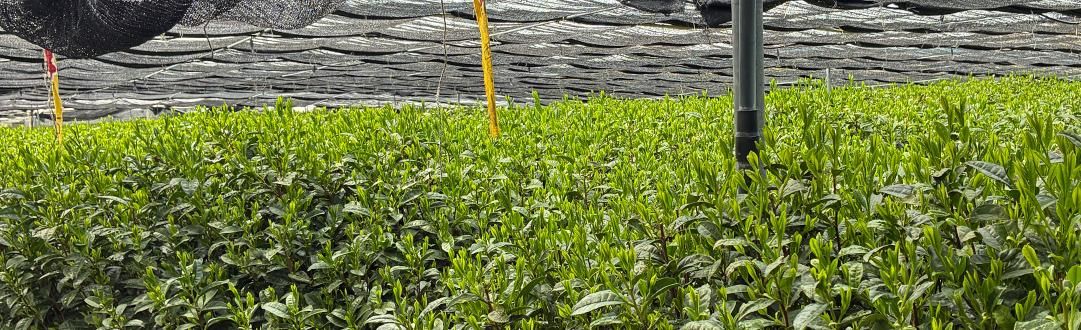
His tea garden has been cultivated without pesticides or chemical fertilizers since 1975. The matcha is not Organic JAS certified, but its cultivation history is explained clearly and specifically.
His observation was simple but important: many customers assume that "organic" means no pesticide has been used, even though organic standards may permit certain pesticides.
This is why precise language matters.
"Organic certified" and "grown without pesticides during the cultivation period" describe different things. Neither expression should be used carelessly, and neither tells us everything about the taste of the tea.
How Maru-Take-Ebisu selects matcha
We are not opposed to organic farming.
We question the assumption that an organic label automatically means pesticide-free, safer or better-tasting matcha.
We select matcha according to:
- flavor and aroma;
- sweetness, umami and finish;
- producer and growing region;
- cultivation and processing;
- suitability for usucha, koicha or latte;
- freshness and storage;
- accuracy and transparency of product information.
Where a product is Organic JAS certified, we state it.
Where a product was grown without pesticides during the cultivation period, we state that separately.
Where neither applies, we do not use those expressions.
How to choose matcha with confidence
When choosing matcha, look beyond the most visible label.
Consider whether the seller explains:
- where the tea was grown;
- who produced or finished it;
- how it was cultivated;
- whether its claims are stated precisely;
- how it is stored and dispatched;
- what it tastes like;
- whether it is intended for usucha, koicha, latte or baking.
"Organic," "grown without pesticides," "ceremonial grade" and "premium" are not interchangeable terms.
A trustworthy seller should explain what each expression means rather than relying on the reassuring impression of a single word.
Our conclusion
Organic JAS is a meaningful certification standard, but it is not a complete definition of safety, flavor or matcha quality.
Organic matcha is not necessarily pesticide-free. Matcha without organic certification is not necessarily unsafe. Neither label alone can tell you whether the tea will have the sweetness, umami, aroma and finish you are looking for.
We believe customers deserve precise information rather than simplified marketing.
Our role as a Japanese matcha specialist is to examine the producer, origin, cultivation, intended use and, above all, the tea in the bowl.
Explore the differences
Official references
- Ministry of Agriculture, Forestry and Fisheries of Japan: Organic JAS certification system
- Ministry of Agriculture, Forestry and Fisheries of Japan: Organic farming and organic agricultural products
- Ministry of Agriculture, Forestry and Fisheries of Japan: Guidelines for labeling specially cultivated agricultural products
有機抹茶は無農薬なのか?有機JASが本当に意味すること
有機抹茶を選ぶ方の多くは、「農薬を一切使用していない」「より安全である」「品質も高い」と考えています。
抹茶は、抽出した茶液だけでなく、粉末にした茶葉そのものを飲む食品です。そのため、どのように栽培され、どのような農業資材が使われたのかを気にするのは自然なことです。
しかし、最初に知っておきたい重要な違いがあります。
有機認証は、栽培方法、加工、検査、記録管理について定めた制度です。大切な判断材料ではありますが、それだけで安全性、味、抹茶としての品質のすべてが決まるわけではありません。
有機JASでも農薬を使用できるのか
有機JASは、化学的に合成された肥料や農薬に頼らないことを基本としています。
まず、栽培上の工夫や物理的・生物的な方法によって病害虫を防ぐことが求められます。しかし、それだけでは十分な防除ができない場合、規格で認められた一部の農薬や資材を、定められた条件のもとで使用できます。
したがって、有機JASを「どのような農薬も一度も使われていない証明」と捉えるのは正確ではありません。
三つの異なる表示
1.有機JAS認証
日本の有機JAS規格に沿って生産・管理され、認証を受けたことを示します。
一定の生産方法を証明する制度ですが、あらゆる農薬や残留物が存在しないことを自動的に保証する表示ではありません。
2.農薬:栽培期間中不使用
その農産物の栽培期間中に、農薬を使用しなかったという栽培実績を表します。
農薬を使用せずに栽培された茶であっても、有機JAS認証を取得していない場合があります。有機認証には、栽培方法以外にも認証、検査、記録などの制度上の要件があるためです。
したがって、有機マークがないことだけを理由に、農薬を使用したとは判断できません。
3.慣行栽培
日本の法令や生産者の栽培計画に従い、認められた農業資材を使用する場合があります。
「慣行栽培」という言葉だけでは、使用回数、生産者の管理状態、最終製品の残留状況、抹茶の味までは分かりません。
安全性や品質を判断するには、ラベル一つではなく、より具体的な情報が必要です。
有機抹茶の方が安全なのか
有機認証は、栽培や生産工程を知るための有用な情報です。また、その農業思想を支持するために有機商品を選ぶことにも意義があります。
ただし、安全性を有機表示だけで判断することはできません。
生産者、産地、栽培記録、法令への適合、資材の適正使用、必要に応じた検査、加工、包装、保管、鮮度、トレーサビリティなどを総合して考える必要があります。
同様に、有機認証がないことだけを理由に、危険な抹茶と判断することもできません。
有機抹茶の方が美味しいのか
当店の経験では、有機認証は美味しさを保証するものではありません。
抹茶の味は、茶園、気候、土壌、被覆、施肥、摘採、蒸し、乾燥、選別、合組、挽き方、保管など、多くの要素によって形づくられます。
これらが、甘み、旨味、香り、苦味、口当たり、余韻に影響します。
当店がこれまで試飲してきた有機抹茶の中には、主力商品に求めるほどの旨味、甘み、余韻の深さに達していないものも多くありました。
これは、すべての有機抹茶が同じ味であるという主張ではなく、当店の試飲経験と選定基準による評価です。
丸竹夷では、有機表示があるという理由だけで商品をおすすめすることはありません。
有機JAS認証を取得した抹茶であっても、味、来歴、品質が当店の基準を満たす場合に限り、選定の対象になります。認証だけでなく、味は欠かせない基準です。
朝宮の生産者から学んだこと
朝宮の茶農家・片木隆友さんとの対話を通して、この違いがより明確になりました。
片木さんの茶園では、1975年から農薬と化学肥料を使用せずに茶を育てています。一方で、その抹茶は有機JAS認証商品ではありません。
有機では使用が認められている農薬がある一方、有機認証がなくても、実際には農薬を使わず栽培している茶園があります。
だからこそ、「有機認証」と「農薬:栽培期間中不使用」を同じ意味として扱わず、それぞれを正確に表示する必要があります。
どちらの表現も抹茶の味のすべてを説明するものではありません。
丸竹夷の抹茶選び
私たちは、有機栽培そのものを否定していません。
疑問を持っているのは、有機表示があれば、自動的に無農薬で、より安全で、より美味しい抹茶になるという思い込みです。
丸竹夷では、次の要素から抹茶を選びます。
- 味と香り
- 甘み、旨味、余韻
- 生産者と産地
- 栽培方法と製法
- 薄茶、濃茶、ラテへの適性
- 鮮度と保管状態
- 商品情報の正確さと透明性
有機JAS認証商品には、その旨を表示します。
栽培期間中に農薬を使用していない商品には、その事実を別に表示します。
該当しない商品には、そのような表示を行いません。
安心して抹茶を選ぶために
抹茶を選ぶ際は、最も目立つラベルだけでなく、次の情報も確認してください。
- どこで栽培されたか
- 誰が生産または仕上げを行ったか
- どのように栽培されたか
- 表示が具体的かつ正確か
- どのように保管、発送されるか
- どのような味なのか
- 薄茶、濃茶、ラテ、製菓のどれに適しているか
「有機」「農薬不使用」「セレモニアルグレード」「最高級」は、同じ意味の言葉ではありません。
信頼できる販売者には、一つの安心感のある言葉に頼るのではなく、それぞれの違いを説明する責任があります。
結論
有機JASは意義のある認証制度ですが、安全性、味、抹茶としての品質のすべてを決めるものではありません。
有機抹茶が必ず農薬不使用であるとは限りません。有機認証がない抹茶が、自動的に危険になるわけでもありません。そして、どちらの表示も、旨味や甘み、香り、余韻を保証するものではありません。
丸竹夷は、分かりやすい言葉だけに頼らず、生産者、産地、栽培、用途、そして実際に茶碗の中で感じる味を見て選びます。
関連商品・ページ
公的資料
- 農林水産省「有機食品の検査認証制度」
- 農林水産省「有機農業関連情報」
- 農林水産省「特別栽培農産物に係る表示ガイドライン」